

“By failing to prepare, you are preparing to fail.”
-Benjamin Franklin
As we bid adieu to May we are entering into June, which somebody somewhere at some point in time decided is National Pet Preparedness Month. While I think the national holidays can be silly, they do a good job of raising attention to the topic. Pet preparedness is important but it’s not really a sexy topic and easily gets swept behind the eight current fires on our to do lists.
What exactly do we mean by “preparedness”?
I can come up with a million scenarios. My anxious brain conjures up things and how to deal with them. That said it’s not what we’re going for today. The point of the “holiday” is EMERGENCY preparation.
Horses have a fun way of finding emergencies, don’t they? Again….A million scenarios.
So to start let’s brainstorm some common ones. For now, we’ll do main topics but keep in mind a lot of times they will coincide; you may find yourself in a perfect manure-storm of all the emergencies all at once.
- Medical Emergencies
- Natural Disasters
- Financial Emergency
- Human-Caused Emergency
- Not an emergency but worth discussing…end of life.
Medical Emergencies
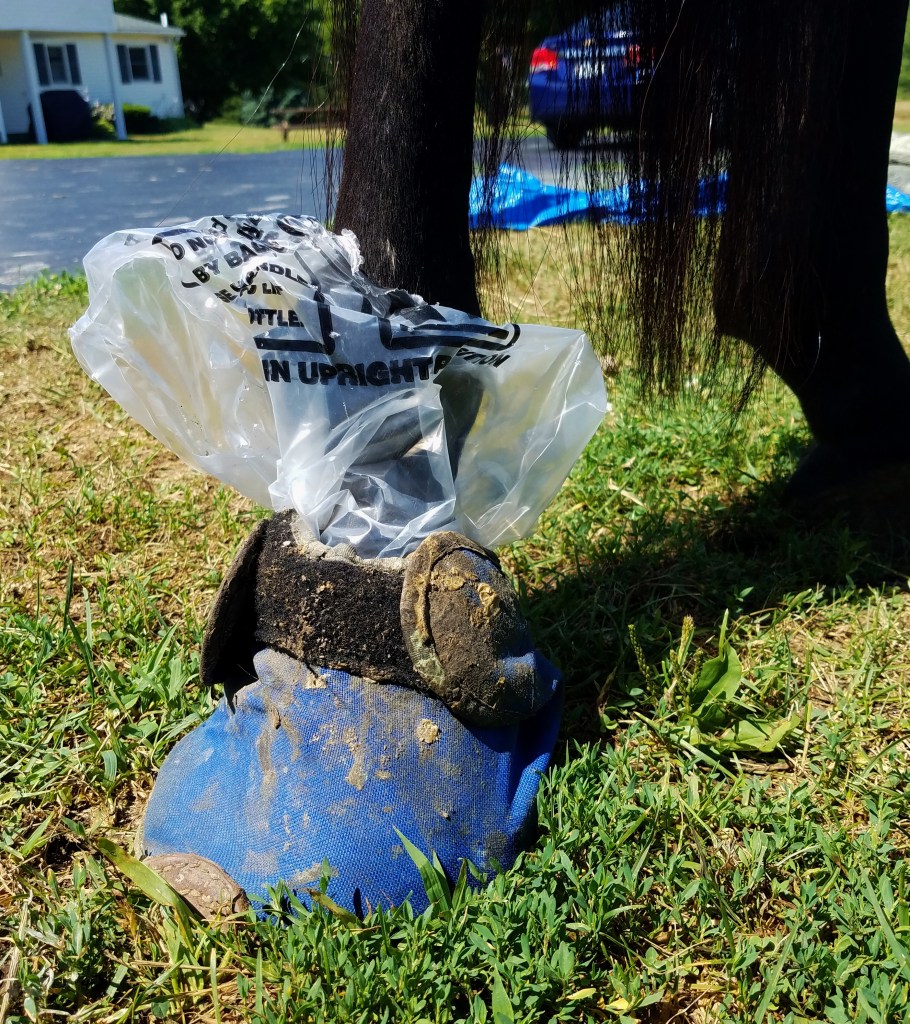
Horses find a lot of creative ways to injure and maim themselves. Show coming up next weekend. Horse gets kicked. Want to get out of town for a few days? Horse gets anaplasmosis and needs IV medication daily the day before you leave. We make plans. The horses laugh at us.
But seriously you can’t prepare for every medical emergency, but you CAN have a solid plan to deal with NEARLY everything.
- First Aid Kit and Wraps
- I’ll dive into the details later but do you HAVE a first aid kit? For Horses AND humans? What do you have inside of it?
- Vet’s Number
- Have this programmed into your phone and available near your horse’s stall or barn.
- Farrier’s Number
- See above.
- Do you know your horse’s vitals?
- A good practice is to get familiar with your horse’s vitals. Pulse, respiratory rate, color of their gums, weight, temperature. Record these and get a baseline reading so you can detect problems early.
Natural Disasters
The most common natural disaster will vary based on your geographic location. Are you in a place where you have to worry about hurricanes? Drout? Flooding? Winter (yes, it can get emergent)? Fires? Tornados? Tsunami? Earthquakes? I’m certainly missing lots of harrowing situations here but it’s up to you to know what the most likely natural disasters you may face in your region.

What will help you during planning for these disasters is thinking about your Worst-case scenario and working your way back from there. I will work on winter as an example.
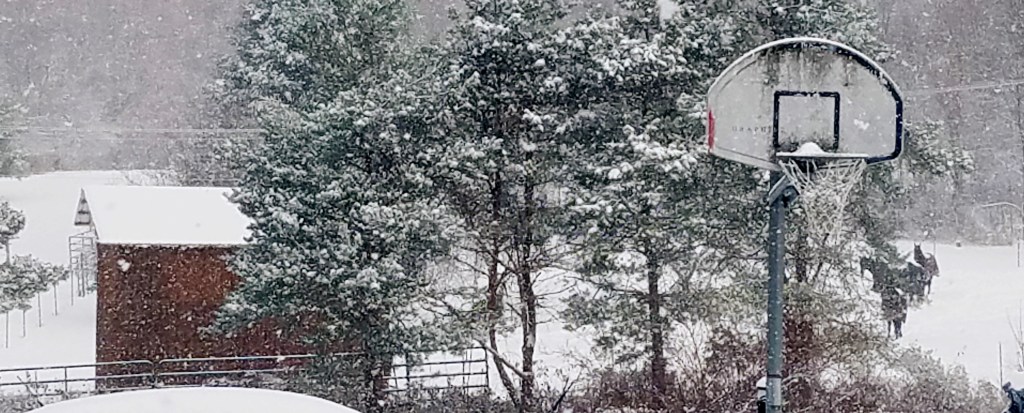
Winter: I’m most familiar with this and even then, we don’t get winters as badly as some of our other friends and neighbors. But some things I think about are shelter, blankets, hay, water, and ice.
- Do I have blankets and extra blankets for my horse if he needs them?
- You may not believe in blanketing your horse and that’s fine. Many horses are fine if they develop a good thick winter coat but there are horses who need them, and there are situations that warrant them. Better to have one on hand and not need it for 5…10 years and be grateful you had it once you needed it. Store them airtight so critters won’t destroy them.
- Do I have shelter if needed?
- Horses need some type of shelter from the harsh elements. They can do well 99% of the time without as long as they have some forest to break up the weather.
- Do you have access to actual covered dry space if the weather gets bad enough? If you don’t, consider it or consider the options of local farms who might be able to help provide shelter in the worst of weather. Just remember if the weather is bad enough that you’re seeking cover transporting a horse to get shelter may be impossible, too.
- Do I have enough hay? Horses need quality hay all winter in order to keep themselves warm.
- I don’t have enough storage for a full winter of hay but I don’t let my supply run below a full month before I get more. Recently I’ve had a good friend who stores the bales for me so we always have some on hand.
- If storage is a problem ask your hay farmer if you can prepay and have them store it for you. Maybe your farmer trusts you and will reserve the hay anyway for you. Finding enough hay and storage is especially difficult for large boarding operations. If you board make sure you are confident in your farm manager’s ability to plan ahead for winter hay needs.
- Do I have a way to obtain water if it freezes?
- Hydrants freeze. I see posts about it every single winter. They either fail to be frost-free…they are improperly installed or improperly used. Sometimes it’s an extreme cold snap that lasts longer than we’re used to and it’s too much for our systems. Having a good procedure for water is the first step.
- Do you insulate your water troughs?
- Do you heat your water troughs (make sure they are grounded and the horses are ACTUALLY using them…sometimes there’s enough electricity to shock the horses when they attempt to drink). It should also be a reminder that in bad enough weather the power may go out…what’s your plan then?
- Do you know where to get large amounts of water in the event that your hydrant freezes?
- Are the horses able to access natural water?
- Horses can and will venture out onto iced over ponds. They will also fall through the ice. Be mindful about any ponds that are in your turnout areas.
- Am I prepared if my horse falls on the ice?
- Do you put anything down on icy areas?
- Do I have enough food?
- I like to make sure my horses have several weeks of food on hand at any given point in time. I make their meals up a week at a time but I HAVE enough to last for a little while. Bad weather conditions will limit your ability to get to the store…and limit the ability of truckers to get to THEIR destinations. Combined with the normal panic buying people get during emergencies you may finally GET to the store to find they are out of your feed. Simply buy enough as your regular procedure so this won’t have to be a concern.
A Note Regarding Emergencies that Require Evacuation:
If you are someone who owns a horse trailer MAKE SURE that your trailer can be hooked up and ready to haul at ANY point in time. Face it outward so you can hook up load and haul away if at all possible. If there’s a threat of a pending evacuation, hook up and have the rig parked facing your exit, ready to go. On the trailer make sure you have what you need packed to make leaving easier.
If you own a trailer, also consider your neighbors during this stressful time. If you have enough room maybe offer someone a ride. Paid or not. We are all different during times of emergency and imminent danger. I hope that if you have a rig you remember to be calm and to be kind.
If you do NOT own a trailer you are at the mercy of others. You don’t have to be helpless. Know places you CAN go or people you CAN call to for help.
If you have to evacuate without your animals know that you’ll need to have a plan for that too. For some people they just can’t get their horses out in time for hurricanes, etc. They braid emergency contacts into manes and tails. They have microchips. We don’t want to think about leaving our horses behind but knowing what to do will ease the panic-stricken mind. So prepare….just in case.

Financial Emergencies
I am only going to skim over this but I mention it because this CAN become an emergency if you are not well prepared. Don’t get yourself into a situation where you can’t afford to properly care for your horse. Horses suffer when we ensnare ourselves in financial crisis. They either become neglected or have to be sold (and not always to a good home).
First, know what you make and your budget and don’t overspend.
Easier said than done.
Things happen. We are horse people. We all overspend but most of us know when to cool it off before we get in trouble.
Even if you are good with money you could come across medical bills (animal or human), lose your job, or have some other unforeseen financial burden.
I’m going to talk a bit more about financial models later but start asking yourself if you have enough savings to get you out of an emergency. And if you don’t…what is your plan?
You only have so many body parts you can sell off.
Human-Caused Emergency
I wasn’t sure how to word this type of event because it can stem from a lot of things. But they all boil down to some human related incident.
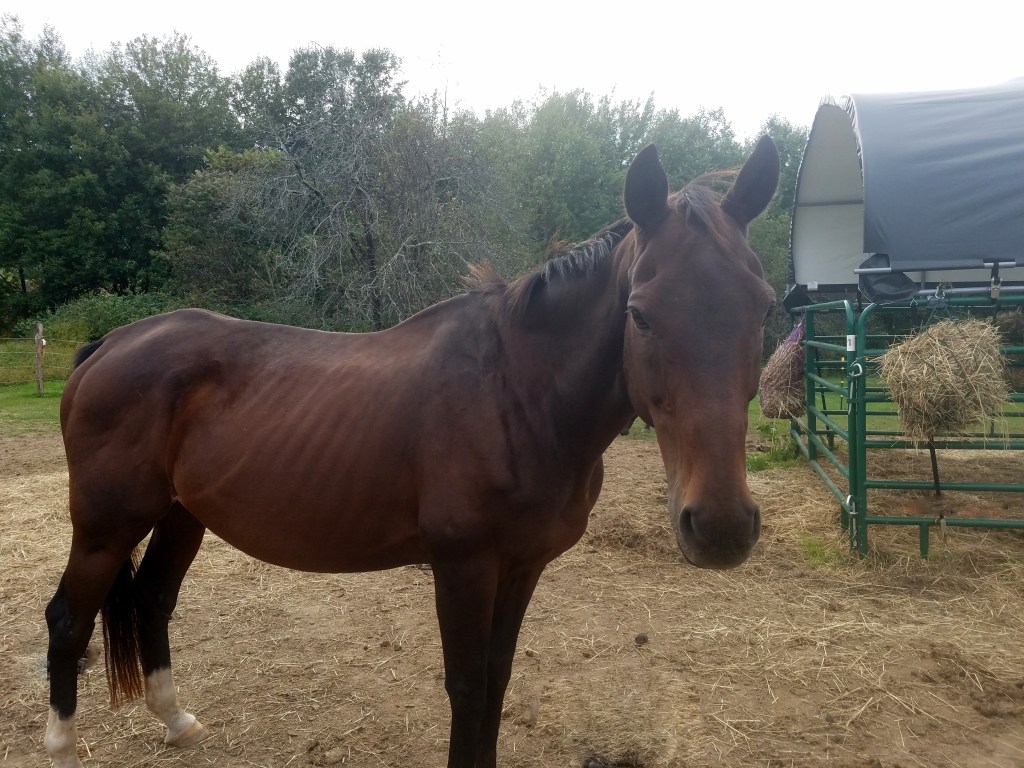
In 2015 I found myself in a situation where I was fed up with the barn owner. I calmly told her about my horse not having water on the first two occasions. On one hot 90+ degree day I drove up to the barn to see my horse drinking from a mud puddle because the trough was bone dry. My blood was simmering but I calmly watered him and proceeded to start chores. When she started feeding a few horses someone else’s hay (that they had purchased specifically for their own horses) and didn’t seem to care the simmer turned into a boil. I became upset and angry and told her flat out. I told her I would be pulling my horse at the end of the month and she turned around and told me to leave by the weekend.
Yes, I could have handled it better, but I was in that position where I needed somewhere to bring him quickly. I had already been looking for places (see the first two times she forgot to give him fresh water in summertime…plus other details not mentioned).
I did find a place. I did have a friend to help me move. Everything turned out wonderfully. But it could have been worse.
I have heard of some farm owners tying horses to the mailbox out front and not allowing horse-owners onto the property.
And then there’s the barn manager who only feeds the horses when she knows the owner is coming to visit. Or a heavy-handed farm worker.
I’ve met someone who lost her horse because the neighbors intentionally poisoned it. And another acquaintance that sets of fireworks and shoots guns legally on his own adjoining property TRYING to scare the horses.
Human related disputes can rise quickly. A dangerous situation, a trainer with poor decision-making skills, opposite personalities, mis-managed farms, terrible boarders, bad neighbors. Extreme Mental Health Issues. What’s your go-to when the place your horse calls home is suddenly feeling anything but?
End of Life Planning
If you are a responsible horse owner you should be well aware that both yours and your horses’ lives could end suddenly (or planned). But death is inevitable.
Because we know that every life ends at some point it SHOULD be the easiest to plan for in theory. Yet so many people still fail to do that because it’s scary. It’s challenging for us to ACTUALLY think about it. Planning for it and wishing for it are NOT THE SAME!!!
Planning for end of life doesn’t have to be a morbid thing and can make the aftermath MUCH easier all the way around if planned for ahead of time.
I will also be covering this more in a future post.
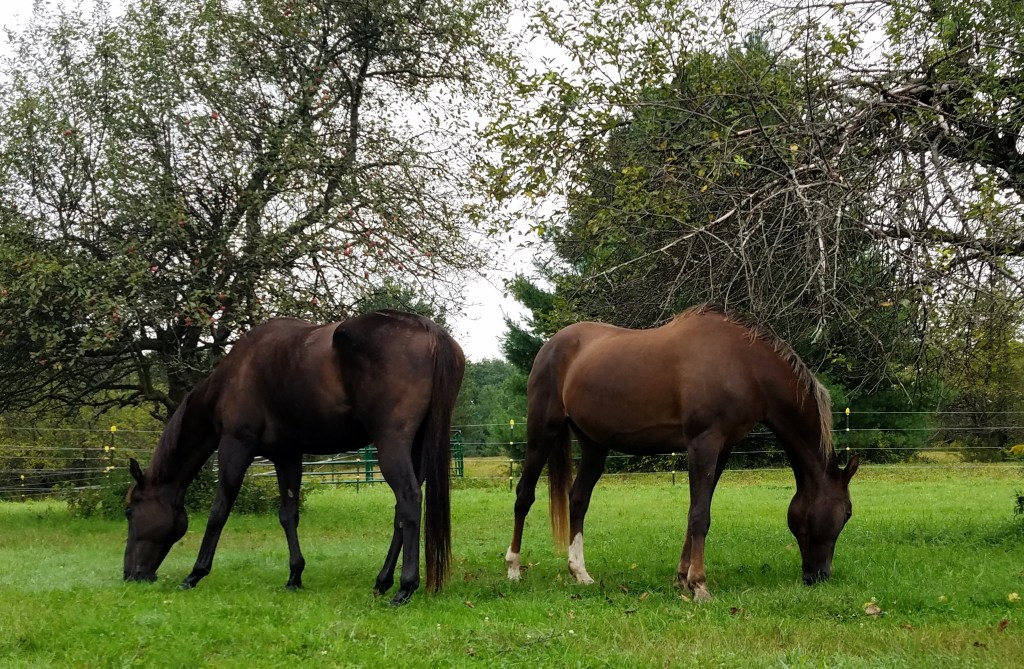
June is about to begin, and June is typically THE BUSIEST MONTH EVER for horse people.
Horse shows. HAY. Horse events. Horseback riding. HAY. Outdoor activities. Farm maintenance. HAY.
Tell me in the comments…what are your June plans?
I’d also love to hear your preparation ideas!

 The Green Horseman
Leave a reply to Following Up On Pet Preparedness Month – The Green Horseman Cancel reply