
Here is a new favorite of mine. I finished this book at the end of 2021/early 2022 and I’m honestly thinking it’s time to reread it already. This is one of those books you buy for keeps and have it handy because you’ll learn more every time you read it.
Get your Copy at Trafalgar Square Books
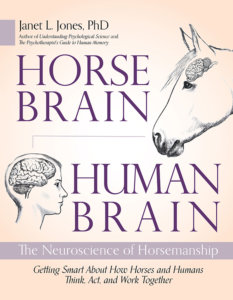
Horse Brain Human Brain: The Neuroscience of Horsemanship by Dr. Janet L Jones, PhD is a book to explain how horses are programmed and how that affects our life with them. Don’t let the term “neuroscience” give you pause. Dr. Jones has written this book and a way that everyone can enjoy and understand. In fact, this book is a game-changer and a must-have for anyone who wants to improve their relationship with their horse.
After all, aren’t there times that you wish people would understand what’s going on in your brain? When you think “if you only knew my story or situation you’d react/treat me differently” or “there’s a reason for why I do what I do.” This book is your horse, explained.
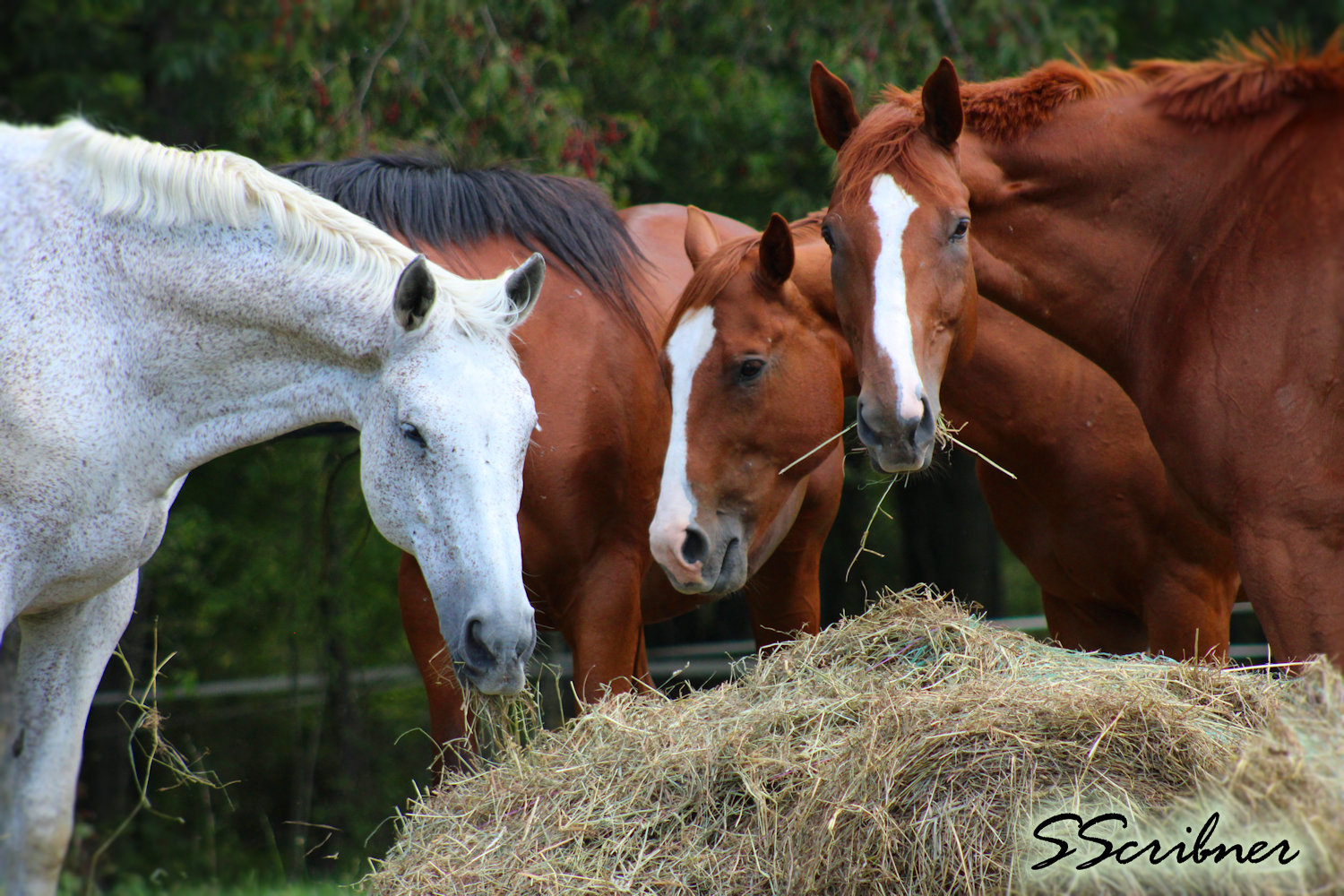
The first part of the book boiled down the science and physiology of horses into a way that’s easy for anyone to digest. Janet used comparisons to drive home her point. When I was reading the book I shared some of the info with various friends who have even more years of experience with horses myself and even they were surprised and intrigued by the facts!
For example…horse vision isn’t all that great. While human vision is 20/20, horse vision ranges from 20/30 to 20/60. That means in order to see what WE can from 30-60 feet, they need to be 20 feet away. Jumps ahead are out of focus and hard to see. In addition, their depth perception is poorer. While we can see the difference in 1/8″ a stride away from a jump horses can only make out a 9″ difference. Ever raise a jump after you just jumped it to have the horse knock it? It probably couldn’t register the difference!
As far as color, they see turquoise and yellows most clearly but green and red are simply grey. Nightvision? It takes horses 45 minutes to adjust to different lighting (bright daylight to dim arena).
Those are just a few of the interesting things I learned about vision…Dr. Jones covers much more including all of the senses (did you know horses have more smell receptors than many breeds of dog?).
In the second part of the book, Dr. Jones also makes some interesting comments on how our own bodies work as riders. How we perceive ourselves in the world and offers some interesting exercises that might give you some useful insight on how your own proprioception is working. Why when you THINK you’re doing what your instructor is telling you it might not actually be true.

The next part of the book dives into how horses learn and explains their behaviors. For example, horses learn by association, observation, problem-solving, consequence, emotion, and testing. In this part of the book, you learn how these methods of learning work for a horse and how we can apply it to our training methods through negative reinforcement, reward, indirect training and rest.
A great thing I realized here was the observance of a LACK of bad behavior that we often fail to reward. Our own brains are hardwired to find the presence of something (berries on a bush) but we often ignore the absence. Biologically it doesn’t do us as much good. For example, my horse Nahe often sucks back and lunges backward when I do up the girth. I now have learned to reward him when he doesn’t do it. Don’t you hate it when your boss only ever points out what you’re doing wrong but you never hear about what you’re doing right?
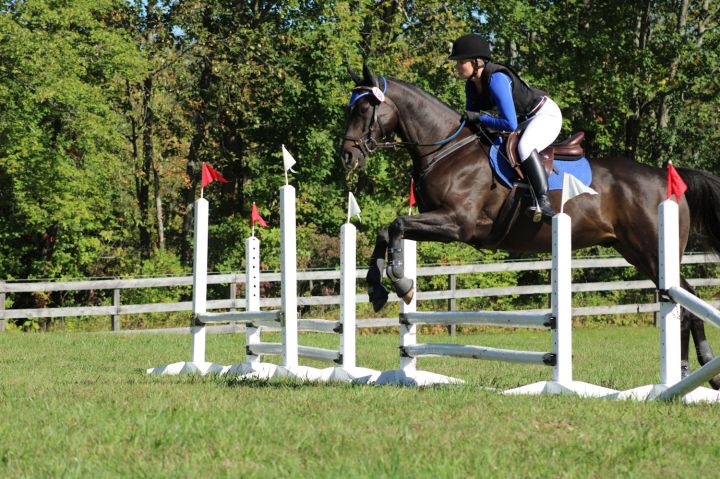
This leads us to the fourth part of Horse Brain Human Brain. Addressing attention, emotion, and forethought in horses. Here Dr. Jones explains the different types of horses and how to manage them; for example… to get the attention of my two horses I need to do 2 different things. My horse Stanley is a busybody and needs calming/focus while Nahe is a daydreamer and needs to be awoken.
Dr. Jones also dispels the “my horse planned to…” myth. It’s easy to give horses these human traits since it seems forethought is such a natural thing to have, but horses don’t HAVE a prefrontal cortex. That means they can’t possibly have forethought behind their actions. I, too, am guilty of this…often. I always used to say Blade would poop in his water bucket to tell me it needs a good scrub. Not true but you see how easy it is to do.
As you might have guessed I can’t say enough good things about this book. I know I’m a nerd but I feel like this book is good for EVERYBODY who has horses in their lives. Young, Old, Rich, Poor, Amateur, Professional, Experienced, Inexperienced, riding, non-riding, owner, non-owner. Any discipline. Any level. Any person. Anywhere in life. Anywhere in the world.
Horse Brain Human Brain will help you understand yourself and your horse better. There’s a lot of knowledge in this little book so buy it for yourself and read it once. Return to it as often as needed to digest more information.
After reading this book my relationships with my horses have significantly improved. I am more cognisant about what’s happening as they work through their emotions and communicate when they are uncomfortable. I am more empathetic and my horses really appreciate that I “hear them.”
So as a final conclusion, read this book, buy this book. There is too much rich information to learn to share in this on post…but I will share one of my favorite lines with you in closing.
Horses are not just smart; they are learning machines. They scout for cues everywhere and soak up information. Once acquired, new knowledge sticks to a horse’s brain like superglue. If there’s a problem with equine learning, it’s that horses learn too quickly—and forget too poorly—to accommodate human errors.
― Janet Jones, Horse Brain, Human Brain: The Neuroscience of Horsemanship
I also want to add that I buy most of my horse books from Trafalgar Square books. This happens to be one of such books. You can find your copy through my affiliate link here, it’ll let TSB know I sent you!
Horse Brain Human Brain by Dr Janet Jones






Leave a Reply