

- Unlike humans horses are hindgut fermenters which means their food is primarily digested through fermentation in the cecum. Humans have little ability to digest fiber.
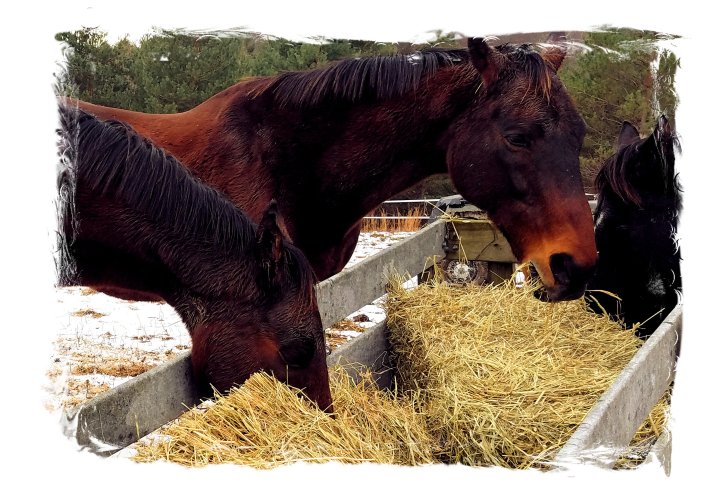
- Horses need to eat between 1.5-3% (1% at the absolute minimum) of their bodyweight daily. For the average horse that’s about 15-30 pounds.
- Daily diets that consist 30% or more of cereals (oats, barley, corn, concentrates, etc) can have a negative impact on the horse’s ability to digest fiber

- Feeding MORE than 200g starch/100kg BW/meal can result in 70-150g/100gBW/meal of undigested starch reaching the hindgut
- When starch is fermented it creates volatile fatty acids (VFAs) which have pH of about 4.8 (acidic). These VFAs can damage the lining of the GI tract.

- 80% of ulcers occur in the upper half of the stomach that is not protected
- The horse can make 1.5liters of stomach acid EVERY HOUR
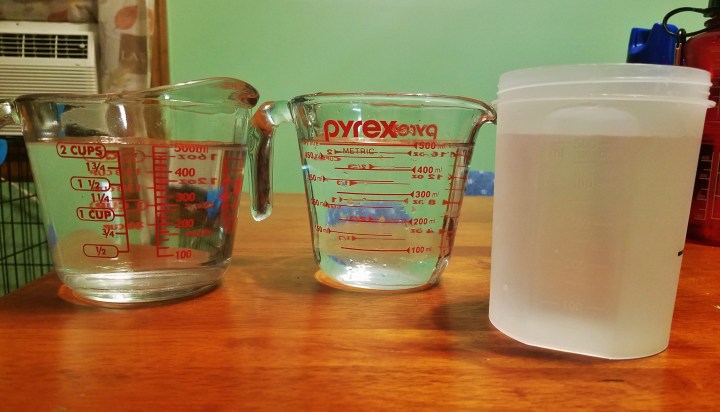
- Equine saliva contains CaCl which helps buffer stomach acid
- With the right conditions horses can produce 9-11 gallons of saliva every day. This is one major reason why grazing is so important to the horse. Grazing and nibbling creates more saliva.
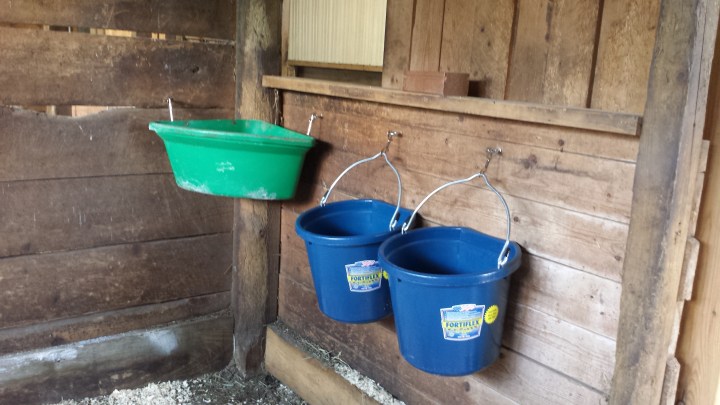
- The horse’s stomach is only 8-15 liters (2-4 gallons) in size
- When fed intermittently the horse’s stomach pH drops in about 5-6 hours. The acidic environment puts the horse at risk for ulcers
- Studies have shown that when the colonic pH drops (more acidic) horses display more anxiety-like behaviors
- The horse’s digestive system is the host of a quadrillion microorganisms that aid in the breakdown of food
REFERENCES AND FURTHER READING
- Andrews, F., Buchanan, B., Elliot, S., Clariday, N.A., & Edwards, L. (2005). Gastric ulcers in horses. Journal of Animal Science, 83.
- Julliand, V., Fombelle, A. de, & Varloud, M. (2006). Starch digestion in horses: The impact of feed processing. Livestock science, 100, 44-52. doi: 10.1016/j.livprodsci.2005.11.001
- Santos, A. S., Rodrigues, M. A., Bessa, R. J., Ferreira, L. M., & Martin-Rosset, W. (2011). Understanding the equine cecum-colon ecosystem: current knowledge and future perspectives. Animal : an international journal of animal bioscience, 5(1), 48–56. https://doi.org/10.1017/S1751731110001588
- Ericsson, A., Johnson, P., Lopes, M.A., Perry, S.C., & Lanter, H.R. (2016). A Microbiological Map of the Healthy Equine Gastrointestinal Tract. PLoS ONE, 11.
- http://www.omafra.gov.on.ca/english/livestock/horses/facts/info_digest.htm
- https://hygain.com.au/blogs/library/horses-digestive-system
- https://ker.com/equinews/nothing-spit-saliva-most-natural-stomach-buffers-horses/




 The Green Horseman
Leave a reply to sscribner07 Cancel reply