
“An emergency fund turns a crisis into an inconvenience”
-Dave Ramsey
Emergencies happen and whether we have money or live paycheck to paycheck none of us are immune to them. Last week I introduced the month of June with a post about Pet Preparedness Month (Read the here: By Failing to Prepare…). Today we are diving into the financial aspect of it. Most emergencies cost money, and I see A LOT of horse people that are not prepared.
What is your plan to financially afford a crisis?
- Savings Account
- Credit Card
- Insurance
- Begging/Selling What You Own
Owning horses is a sure-fire way to keep us spending money and it makes it difficult to tuck money away for our own savings let along a separate HORSE savings account.

What plan works best for you is going to differ based on your situation, but as an average amateur equestrian with middle class income I will share what works best for me.
Savings Account
Savings accounts are great if you can actually find a few dollars to put away each month. This is my primary plan to deal with emergencies. Once upon a time I read the book Automatic Millionaire by David Bach and it inspired me to create separate accounts and have money AUTOMATICALLY get deposited there from my paycheck. I set how much I can handle putting aside and then I get used to not having it show up in my checking account. It’s easier to not spend the money when it never made it to the spending account in the first place. YES I have a specific HORSE bank account that I use for my horse care needs. The money I would have spent paying the premiums for a horse insurance company (that I would never get back) now gets placed into a bank account and accrues interest…and I DON’T lose that money.
For savings accounts it’s important to find a bank that is easy to work with but also is HIGH YIELD. It’s not wise to keep money in a brick-and-mortar average savings account. You earn pennies. The rates are deplorable.
One of the banks I prefer to use is Ally Bank. The rates vary based on the market but they have gone as high as 4.6% or more. Posting this today my accounts are making 3.6%. Actual money, not fractions of a percent. I like to have some here for emergency situations. It’s a real bank account and transferring it into a checking account for when you need it is easy.
The only risk here is that you may run into a very costly vet bill before you ever have a chance for the money to start adding up. Now what?

Credit Card
You need to decide for yourself if you are trustworthy with a credit card. This is a risky route but there are ways to soften the blow when it comes to medical emergencies.
Care Credit: Pet Care Credit Card and Financing – CareCredit A good friend of mine told me about this option and it’s brilliant.
The Care Credit card for pet care covers veterinary costs for all types of animals. It helps cover the cost of regular procedures as well as the big emergencies.
While you CAN use it everywhere I recommend you save this only for your big expenses. Make sure your caregiver works with Care Credit first, but the beauty of this card is the financing options. For expenditures over $200 (If the care provider participates) you can elect to pay over a prescribed amount of time with NO INTEREST within an agreed amount of time. For example I estimated a $600 bill and they gave me FOUR options…
- 100/month in 6 months
- $50/month in 12 months
- $34/month in 18 months
- $30/month in 24 months
As long as the provider offers these services with Care Credit (and several vets in my area DO) these are all interest free options.
Care Credit can also be used for Human Care needs for what it’s worth.

Insurance
A few points in time I have looked into insurance for horses. There are a lot of options as well as a lot of different types of policies and even more fine print. If you’re looking into insurance here are a few options:
- Colic coverage: This type of coverage is probably among the most common based on who I’ve spoken to. Colic coverage is widely available and it often is a “reimbursement”. Some supplement companies even offer this coverage.
- I chose to work with the supplement company. They have excellent customer feedback. The only thing you need to do is feed your horse its eligible supplement and stay on top of your horse’s regular care.
- SmartPak This is the company I use and they offer $15,000 colic surgery reimbursement with eligible supplements. I love their SmartDigest Ultra for Stanley and was already planning to put him on something to keep his tummy happy, so it’s a win-win as my premium is also paying for a supplement. All I have to do is input when he gets his routine vaccinations, fecal exam, dewormer, and dental. The link included here will give you $20 off!
- Platinum Performance Equine
- I chose to work with the supplement company. They have excellent customer feedback. The only thing you need to do is feed your horse its eligible supplement and stay on top of your horse’s regular care.
- Major Medical
- Major medical typically covers medical or surgical interventions. Colic would be among those. Lameness. Injuries.
- Major medical is usually in addition to mortality
- Every company will be more specific about what is covered, and it often depends on your discipline of choice.
- Loss of Use
- This type of insurance is obtained in case your horse needs to be permanently from your intended use.
- This often requires more extensive professional oversight to evaluate the horse
- Typically this type of insurance isn’t cheap and doesn’t make sense for the majority of us. Perhaps it makes more sense for horses valued far higher than I could ever fathom (mid fives and up?).
- Mortality
- Mortality is exactly as it sounds. Should you need to euthanize your horse this type of coverage will give you payment based on the insured value, age, etc.
Insurance is a tricky ballgame. In one hand, insurance gives you peace of mind that if something happens you will be covered. In the other hand, insurance can be costly and doesn’t cover everything. What you can afford, how much your horse is worth, and your discipline will help guide you to make the best decision.
For trainers who produce highly valued horses, insurance makes more sense. They can’t easily turn around and buy another horse at that caliber, and you can’t get the time back after producing a horse up the levels.
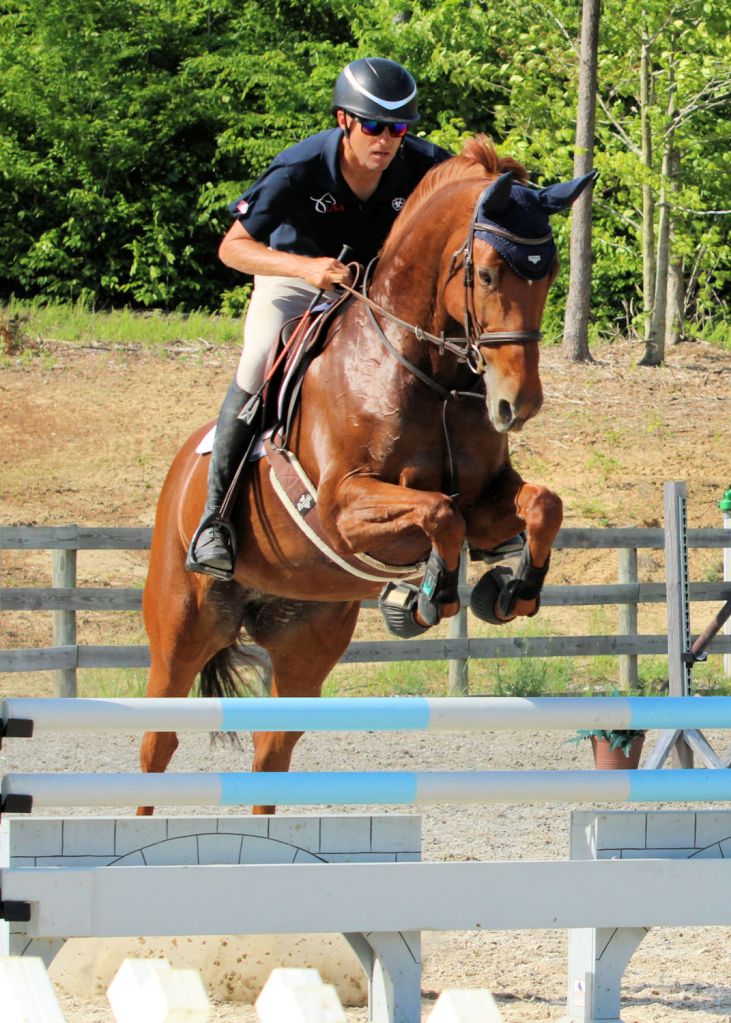
For me, I looked into the insurance options. Loss of use, major medical, and mortality would cost nearly $1200-1500 per year at the time, and I was required to obtain $1200+ worth of X-Rays in order to qualify for it before even being accepted. At the time my horse was “appraised” at $5000. If there were findings on the X-Rays the insurance company would most definitely make specific exclusions to any problem areas on my specific horse. Instead, I decided on enrolling in ColiCare with SmartPak and saving my dollars.
Begging/Selling What You Own
Then there’s the much less pleasant option which is not a long term option. GoFundMe is something I see used a few times each year within the local community but if I’m being honest it should be used in the rare situations. Do you really want to rely on the kindness of others to get you out of trouble? Or the hopes that you have enough valuable items that people are willing to pay for? It’s not a good feeling or a great position to put yourself in. I hope you use this as a last resort.
Final Thoughts
Your situation may look drastically different than mine. My plan will not look the same as yours. It certainly doesn’t compare to Boyd Martin’s plan. I’ve had horses for years and it is always difficult to get ahead but I’m comfortable knowing that I’ve put some aside to help with some unexpended bills.
I use SmartPak’s Colicare. I stay current on all the vet needs for my animals. I have a high yield savings account with Ally dedicated to my horse expenses. I may get a Care Credit card as a “just in case.” For me…in my current situation…this works. It fits my budget and covers the biggest risks.
I hope you were able to find some insights here to help you with your plan. I’m also eager to hear what works for you!


 The Green Horseman
Leave a comment