

This winter has been brutal. To northern dwelling people this is NOT a new thing. We regularly experience frigid temperatures. That said this year has been a bit worse than past years so we’re feeling it a little extra right now. January often hosts some polar vortexes with temperatures to the single or negative digits, and this year it felt to be a month long vortex. With February moving along we’re in the hopes of being on the back end of this winter; less negative temperatures, more above freezing days, and more sun. To be honest, there are some of you who might experience worse winters than we do here in upstate NY.
There’s no doubt that the winter and cold temperatures are damaging to us farmers for many reasons.
- The reduced sunlight affects our energy and moods. (Seasonal Affective Disorder, anyone?)
- The cold means frozen water buckets. Frozen hoses. Hopefully not but in some cases frozen pipes.
- The cold means snow…snow plowing, snow shoveling.
- The cold means ice. Spreading salt or dirt.

In caring for horses through winter there are tips and tricks to maintain our equine companions. We blanket (or not!), we provide extra hay, electrolytes, and more. Different people have different routines.
But for the riders out there…how are you doing?
Is there such a thing as “too cold to ride“?
There’s no rule written in stone about riding in the cold weather. In my college years the farm had a rule that it was only too cold below 10 degrees. I often see IHSA shows being held in temperatures down in the single digits (I’m not largely involved but I don’t recall them cancelling around here).
For me, it is about twenty degrees Fahrenheit; that’s -5 degrees Celsius. If not for my own benefit it’s for my horse’s.
I love science so lets take a look and you can decide for yourself.
Research reports have shown humans who exercise in the cold suffer from damage to their airways and desiccation of their lungs. In the 90s scientists noted airway injuries in dogs. Horses and humans were studied in more detail in the early to mid 2000s. Michael S Davis, professor at Oklahoma State University appears to be among the leading experts in this area. He’s been with OSU for nearly 17 years and hold degrees from Texas A&M, Virginia Tech, and Johns Hopkins. His primary academic interests are exercise physiology, muscle metabolism, and respiratory physiology. Of the papers I’ve found most related to this subject he’s been the leading professor in all four of them, the other scholarly article I was able to read was more of a review article.
*Disclaimer: I am not a student and I am not preparing a master dissertation so these research articles I write for you are minute in comparison to what would be adequate for the academics. This research I do is for fun, because I’d love to be a student for life. Learning and presenting data in a way that everyone can appreciate it is a passion of mine. I don’t always have access to some research articles and I don’t always have a ton of time but I do what I can. I will always include links to my resources but I have done away with the academic bibliography format.*
In 2002 Oklahoma State University published an article studying the cooling of the airways in horses. Previous studies from the 80s demonstrated that human subjects experience airway cooling when breathing cold air. Many people may know of a condition called “skier’s asthma.” This is a respiratory condition created by inhaling cold air and damaging the airways. The OSU team performed 2 experiments. In the first experiments three thoroughbreds were examined while breathing cool air and exercised on a treadmill at 6.6m/s (14.8 mph/fast trot/canter) for 5 minutes. A specialized catheter was used to measure the temperature and the mid-neck (mid-cervical trachea). The horses were exercised at 5°C and 55-60% humidity (41°F). The results showed that (even at this “mild temperature” as we know it) the airway only warmed up to about 33.3°C while a horse’s basal temperature is somewhere around 38°C. To repeat, the horses experienced cooling while trotting/slow cantering at only 41 degrees. Imagine the temperatures we REGULARLY experience in the north! That said our sample size was only three.
A study published in 2005 from Oklahoma State University tested 8 horses. They initially trained these horses three times weekly by walking, trotting, and cantering them on a motorized treadmill. The horses were exercised in warm environment (77°F or 25°C) and cold (23°F or -5°C); each environment was given a 1 week period. The experiment consisted of 5 min walking, 5 min trotting, and 5 min cantering on this treadmill. Five hours later they were sedated and a bronchoalveolar lavage would be performed. A lavage is a procedure in which the scientists flush the airways with a sterile saline solution. The paper states they used a warmed Hanks’ phosphate-buffered saline. This group observed that the horses exercised while inhaling cold air had very significantly elevated levels of cytokines. Cytokines are proteins released by your immune system and play a role in inflammation, immune responses, etc. There are many types but in this experiment the group mainly found TH2 type which are most notably found in allergic reactions. The differences were as high as 12-fold increase over inhaling of warm air. They were able to repeat this in a follow-up study in 2007.
OSU published another study in 2006 to investigate the effects of cold air on horse’s bronchoconstriction…in other words the muscles in the airways become hyperactive and narrow the passageway resulting in less air. The effects confirmed that inspiring cold air (-5°C) while walking 5min, trotting 5min, and cantering 5min led to more bronchoconstriction than in warm conditions. What I found more interesting was that horses experienced a higher baseline up to 48 hours AFTER the exercise. Studies have not shown this for human subjects.
What does this information mean to us? To me in demonstrates horses are more susceptible than humans to airway damage in cold climates. Horses do not fare as well as us in the cold weather, the cold can create restriction, immune responses, and overall be damaging. Repeated injury can lead to chronic issues.
As responsible horsemen and women we need to be cognizant about what we ask of them. My riding significantly declines through the winter months but there are many other things you CAN do with your horse.
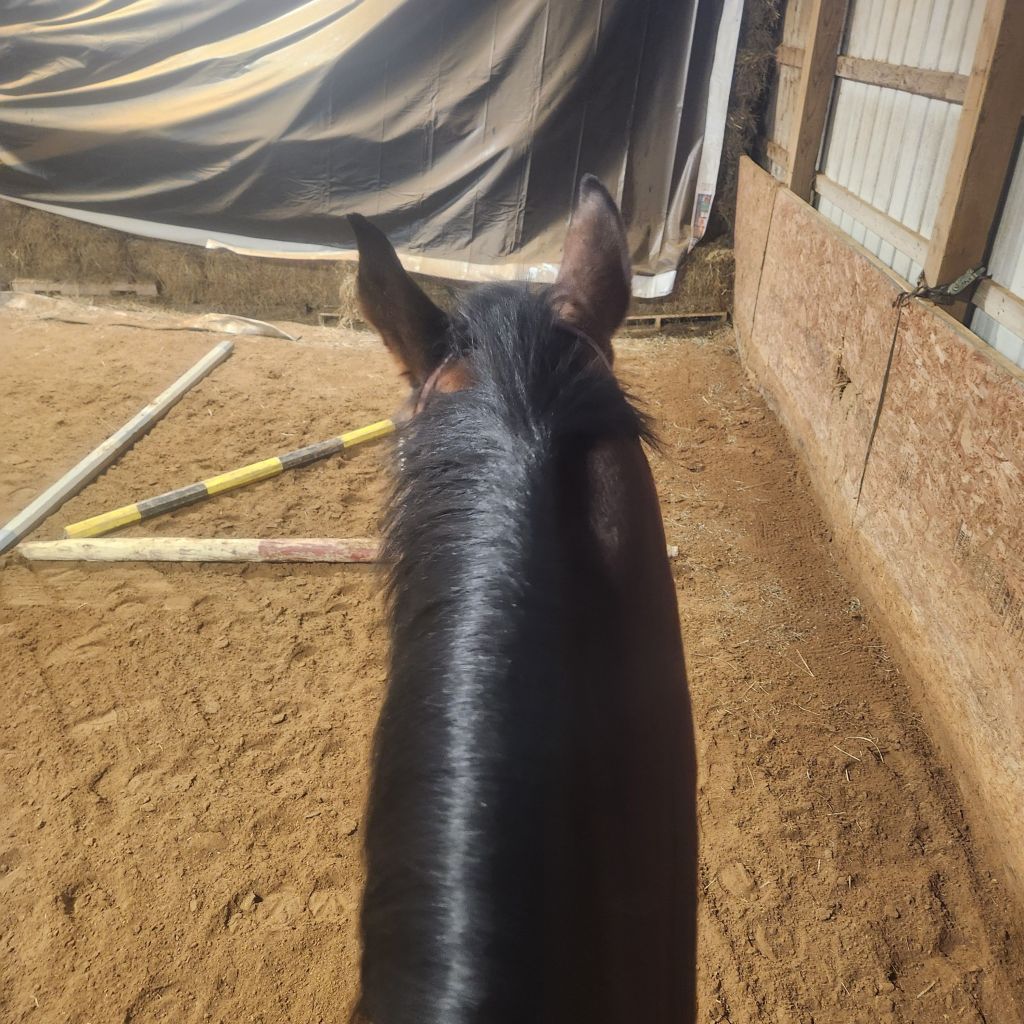
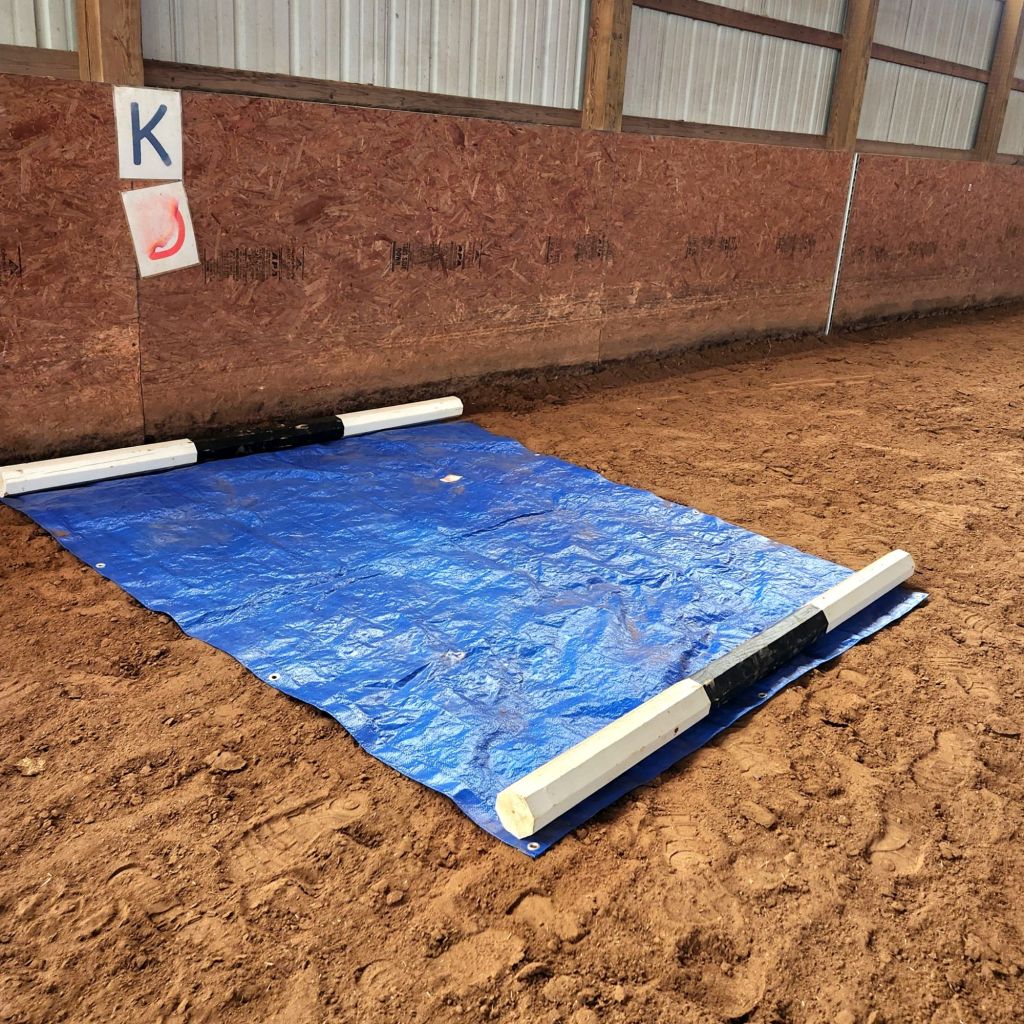
For example I’ve adopted obstacle days in the winter (Winter Working (Equitation)). This allows me to work with Stanley, get his body and mind moving, without a ton of physical exertion.
In the winter months I often cut out jumping and extensive canter-work. It’s amazing how much you can accomplish at a walk. My warmups are longer walks. I often stick with ground poles and walk/trot rides. I focus on lateral movements, backing, improving my halt, and getting my transitions to come from the hind end versus the front.

Some of you might read this and think to yourself…well my horse runs outside in the pasture all the time and he’s just fine. I had this thought too…and I have no intention to stop him from doing so. Movement is good and necessary for them so preventing their play will not be helpful (I’d rather have a horse with heaves than a horse with colic). That said I don’t go out of my way to force him to exert more during our rides when I know what the research shows and when I know what I can do at lower intensities.
Wondering what types of activities you can do at a lower intensity to still get in your dose of horse time?
Take a walk
Work on yourself…lose the stirrups, the saddle and develop your seat
Work on your two point at walk or trot
Work on transitions and halt
Work on lateral movements
Work on your geometry from a walk or trot
Try polework, there are a number of configurations, or just throw poles in any configuration and allow your horse to figure it out.
Back up over poles
Sidepass over poles
Reinbacks
Check out working equitation or other obstacles

There are also tons of books that can help give you ideas. Trafalgar Square publishes books regularly that include creative ways to appreciate and train your horse. To offer a few:
The Working Equitation Training Manual
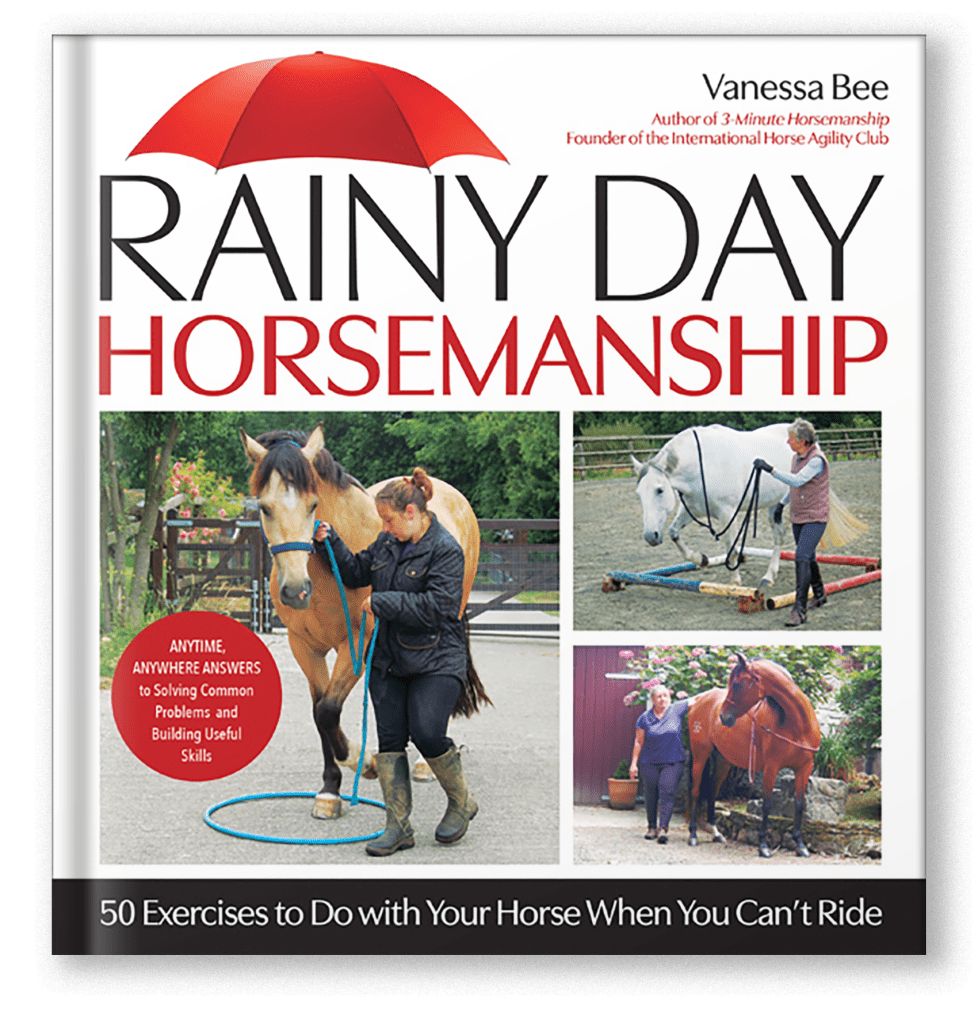

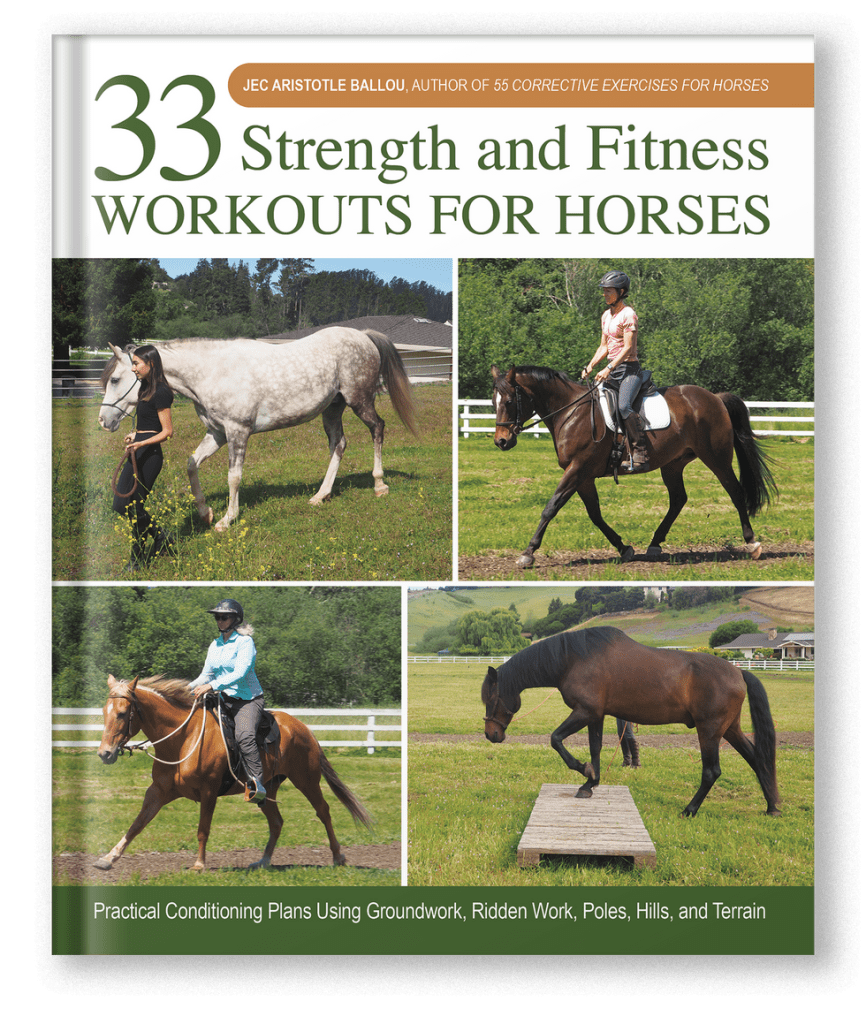
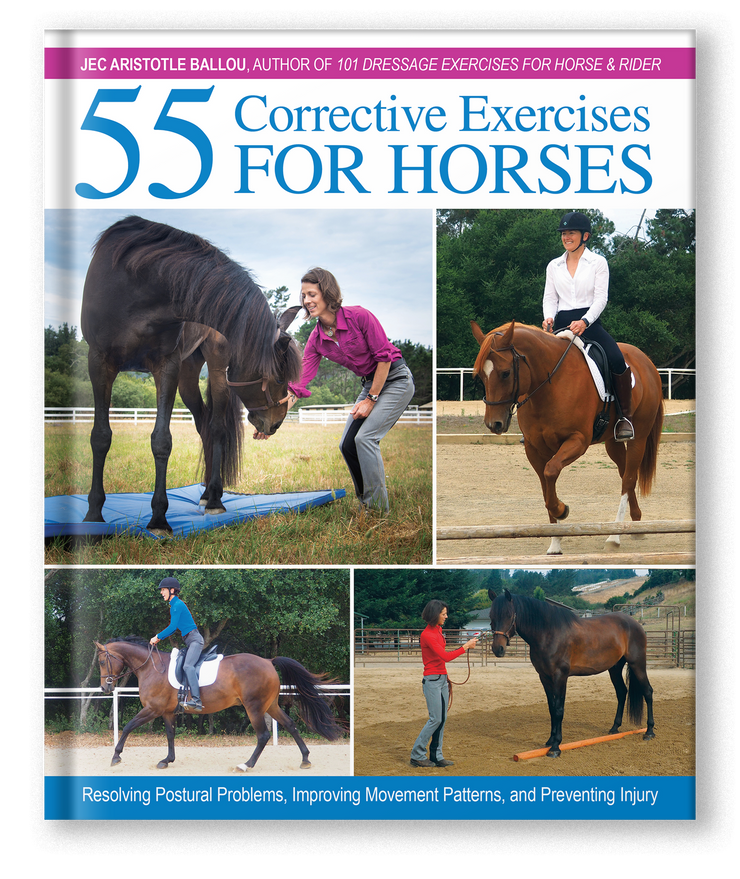
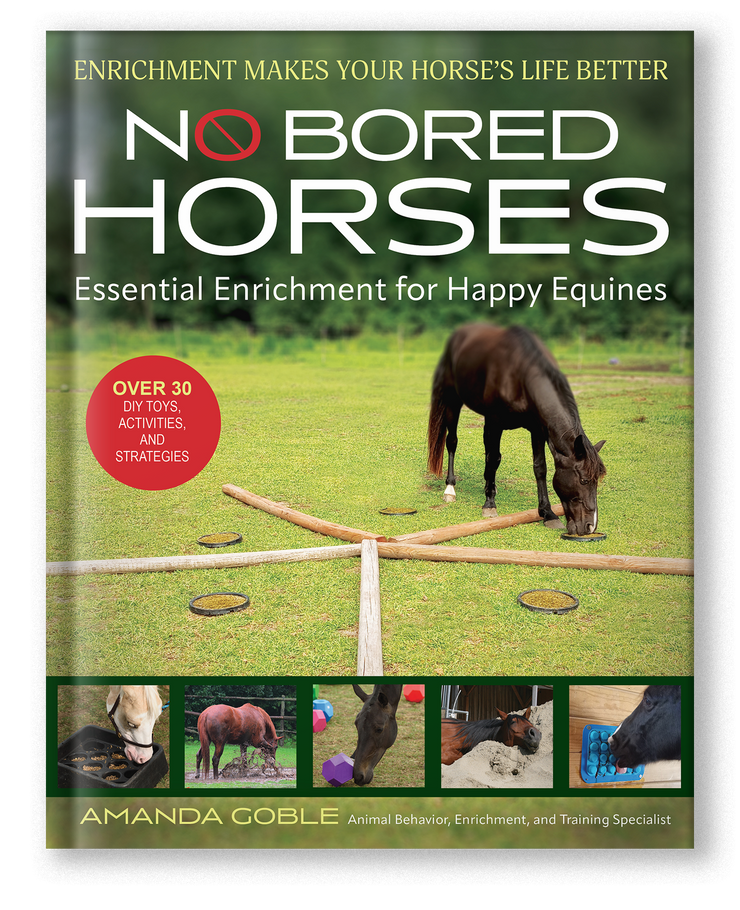
Resources and Further Reading
Let’s not forget to give credit where credit is due. Thank you to the scientists that have performed this research to help us understand better. With more knowledge we can become better stewards for our horses’ wellbeing.
- Kippelen P, Anderson SDAirway injury during high-level exerciseBritish Journal of Sports Medicine 2012;46:385-390.
- DAVIS, M.S., LOCKARD, A.J., MARLIN, D.J. and FREED, A.N. (2002), Airway cooling and mucosal injury during cold weather exercise. Equine Veterinary Journal, 34: 413-416.
- Cold weather exercise and airway cytokine expression Michael S. Davis, Jerry R. Malayer, Lori Vandeventer, Christopher M. Royer, Erica C. McKenzie, and Katherine K. Williamson Journal of Applied Physiology 2005 98:6, 2132-2136
- DAVIS, M.S., ROYER, C.M., McKENZIE, E.C., WILLIAMSON, K.K., PAYTON, M. and MARLIN, D. (2006), Cold air-induced late-phase bronchoconstriction in horses. Equine Veterinary Journal, 38: 535-539.
- Davis, M. S., Williams, C. C., Meinkoth, J. H., Malayer, J. R., Royer, C. M., Williamson, K. K., & McKenzie, E. C. (2007). Influx of neutrophils and persistence of cytokine expression in airways of horses after performing exercise while breathing cold air. American Journal of Veterinary Research, 68(2), 185-189.

 The Green Horseman
Leave a comment