

I am a huge fan of attending clinics; both as an auditor and as a participant. I’ve been to several as an auditor, rider, volunteer, photographer and now I can say I’ve successfully organized one (with hopefully more to come). Over the years I’ve been a participant enough to have made some observations that are important to note if you are considering hosting one of your own. I’ll follow up in another post with considerations for those who want to attend clinics.

The Five Ws and H
Let’s start with the basics. When you’re writing a story you begin with the 5Ws….Who What Where When Why plus How. Organizing a clinic is no different…
WHO
Who will you bring to the area? Are they local? Are they big names?
Who are your target audience?
Who is helping you organize?
There are countless trainers out there; some are at the top of the sport while some are local heroes. If you bring in someone from across the country (or world) you will need to pay travel expenses; do you have the local demand to cover that cost? Every discipline has their own heroes locally and abroad. Who you choose needs to align with your discipline, your audience, and the training style. Are there enough people in the geographic area to reasonably serve? Unless you’re footing the entire bill you will want to know the clinician can bring the audience you need to cover your costs.
At the same time, who are you looking to attract? Knowing what the community wants is a big part of the whole picture. Just because you want this trainer doesn’t necessarily mean the clinic will fill.


WHAT
What discipline are you hosting?
What kind of interest is out there?
What type of clinic is this going to be? Barrels? Working equitation? Obstacles? Dressage? Jumping? Liberty? In advertising your clinic you need a strong identity for the clinic to help people choose their goals and interests. Knowing exactly what purpose this clinic has will help you to draw the right crowd.
WHERE
Where are you going to host this? Do you have a farm in mind?
If you own the host farm that’s very simple. But if you’re an organizer without a facility you need to find a host. A host farm needs to be willing to accommodate and handle the audience. It’s a lot easier if the clinic is predominantly in-house to reduce the traffic. In other words, maybe don’t host a jumping clinic at a dude ranch, or a cow sorting at a dressage barn.
The facility should have an arena of some kind with safe footing. They should offer a bathroom of some kind (porta potty or plumbed, just something). There should be adequate parking for guests and trailers. There needs to be a plan if boarders are part of the picture. Are they included? Discounted? Forbidden without payment? More on that later.
Your choice in facility will determine your clinic’s success. People won’t remember the clinic fondly if the footing is poor or if the place is a dump. It doesn’t need to be a “chandelier barn” with fancy GGT footing but it does need to be safe and serve the functionality.
Also noting location plays a huge part!

WHEN:
Timing is everything, when will this event take place? Does it align with your host farm? Show schedules?
Your clinician may still be active in competition so their availability will reflect that, but you also need to consider your audience. are there major local or discipline-specific events that might occur at the same time for that particular audience?
How far in advance are you planning? A lot of people need time to plan…get childcare, make a plan for their show season, travel, budget, etc. Start planning early and give your audience plenty of advance notice so they can make your event a priority before something else takes their attention.
WHY
Why do you want this clinic? What are you hoping to gain from this?
Are you hoping to bring big names to the region? Are you bringing a talent in that fills a need? Are you drawing attention to your host farm? Knowing your WHY will guide you.

HOW
How will this clinic come to fruition?
How will the clinic be structured?
The details are what can make or break your clinic. How a clinic is run will determine what people think of attending future clinics with the organizer.
the Nitty Gritty Details
The basics are a great start but if you want a truly successful clinic you need to address the details. You can have the same clinic run by two different organizers with wildly different outcomes. If you’re taking the time to organize, why wouldn’t you do everything you can to run it well?
Start Early
In planning a clinic begin early. People in general want to know as soon as possible what their options are. Get on your audience’s calendar before they commit to other events. People plan far in advance for their show season, their clinics, and their vacations. Money is often tight. Aim for a few months in advance. (I’m already planning my calendar for 2025).
Communicate with Your Guests
Communication is important and is a delicate balance. Too little and people grow uneasy, too much and people get annoyed and tune you out altogether. Your communication should be clear, concise, and timely.
Once you place your initial advertisement/announcement make sure you include good details about your clinic (who it is, where it is, when it is, what’s included, what to expect, how much to ride, information for auditors, and show pictures!).
Three months out does not require too much communication, but as the event draws closer people will need to know more details. Provide details about food, bathroom, parking, arrival times, ride times, seating arrangements, clinic structure, and any pertinent details relevant to the venue or clinician (don’t forget the little details like telling your guests seasonal thoughts of what to bring like sunscreen, blanket, bug spray, water,etc).
Communicate With The Boarders
If the farm has boarders, the extra traffic of a clinic will make seeing their horse difficult. Plan how to address this to start.
You will also need to decide whether there are benefits to the boarders. Maybe a concession to them for the inconvenience of the ring being used?
Boarders should be among the first to know about the clinic…the date and times when they are allowed to be there and allowed to ride. If you have another ring they can use, tell them…otherwise allow them time to plan their schedule ahead.
Will your boarders be given a discount to participate? Will they get free lunch or audit for free? These considerations are something to think about as this can be a courteous gesture. Of course, some clinics I’ve attended will close the barn altogether to anyone that is not a paying clinic attendee (not as thoughtful and potentially aggravating for boarders but that is a potential decision you could make).
Example:
For our clinic in October, we allowed boarders to audit for free, participate in lunch for a small contribution ($10), but the unmounted classroom session in the morning was only open for our paying guests.
Friendly
Be approachable and friendly and answer questions like the customer service representative you always hope to GET. Use empathy and treat others as you’d like to be treated mentality shows and makes people feel more comfortable signing up to attend.
Help
Although it is possible to organize and run a clinic on your own it’s not a good idea. Type A independent personalities take heed (I’m so guilty). A successful clinic is put on by many. Decide who you can count on to help you. Someone who can advertise, take deposits/payments, set the schedule, prepare the farm. On the day of you need someone (or several) to help in the ring. Maybe 1 steward at the gate for any flatwork, and a few inside if there’s jumping to help move or fix jumps.
You need help checking people in? Setting up lunch? Cleaning up? Directing traffic?
It takes a village. Find out who your people are. They might not need to be paid, there are a lot of people who would jump at the opportunity to volunteer (and prepare to give them free audit and lunch as a thank you).
Be Audible
Depending on the situation and environment, you may need some method to help your riders and auditors hear. If the ring is large or you’re in a noisy area make this a consideration. There’s nothing worse than paying to audit and not hearing a word the instructor is saying. It makes auditors wonder what they paid for (less important for free auditing but something to consider anyway).
If you decide to use auditory enhancements, there are many options…some better than others and some more pricey than others. Just know that large systems MIGHT cause screeching and may spook horses.
Photos
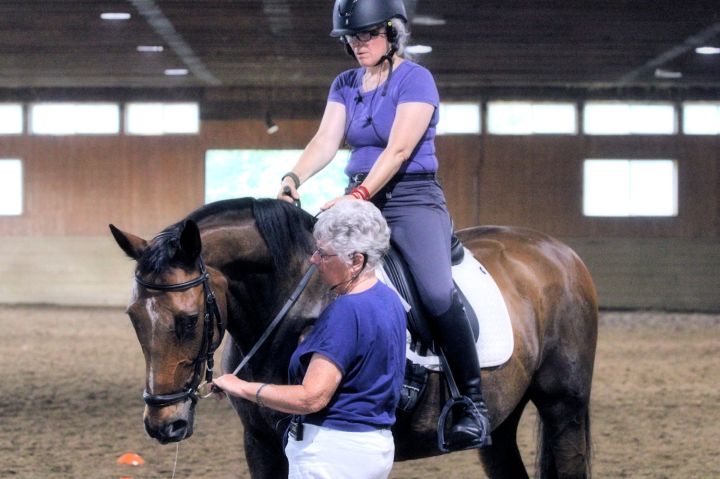
Will you have a photographer? People LOVE to have photos of their sessions at clinics. If you get a photographer plan to include them in your lunch budget (if you have one). You also need the details from the photographer. Are you paying them to be there? Are photos free? Do riders need to sign up in advance? Will riders be able to purchase their photos after the event? Provide links to the photographer’s website and contact information.
On that note, decide whether or not you will have a photo release form.

Logistics
Horse trailers take up a lot of space. Parking, unloading, turning around, tacking horses up on the side. Figure out the driveway and what can be accommodated comfortably. Keep cars out of the way and separate from the rigs. Either have people helping with the parking area or have excellent instructions. Added bonus if you have access to a good loop where trailers can turn around and park facing out.
STABLING
Will stalls be available for participants? Day stalls? Night Stalls? Paddocks if needed? Figure out price and requirements. Will they need to pick out? Provide own shavings? Scrape clean? Provide own water buckers (highly recommend).
Example:
I attended a clinic that took a deposit on stalls. Shavings were provided and if I cleaned out to their standard, I received $25 back from my total fee (I can’t remember the stall fee but it was average). This provided a more affordable stall if I did the work while protecting the farm owner from added work and less than ideal cleaning.

Food
If it makes sense for your clinic format decide whether or not to serve food. People love tea and coffee at the minimum or even water. If you are not serving anything, make sure to say so ahead of time to allow people to pack their own. If it makes sense for your clinic to serve lunch, keep it simple, seasonal, and be mindful of any dietary restrictions. People don’t need heavy dense food midday in the heat of summer. In the winter soups or chili might be lovely. Potluck or homemade can be options too. Some clinics offer a browsing table of snacks that people can pick on without having an all-out meal. This idea is excellent if people aren’t staying all day. Make sure you have a place for food that is safe from flies and spoilage.

Organized
You need to keep up with what paperwork is required by the clinician and by the host facility. Check all paperwork to make sure everything is signed and all vaccines are administered within the required dates. Make these documents readily available in 1 place in case you ever need to go back to prove that you’ve done your due diligence. Nobody wants to be the cause of any health outbreak or lawsuit/injury.
bathrooms
Bathrooms are necessary if you are bringing guests in for a clinic. Porta potties can be pricey but if that is your only option horse people are accustomed to them. Most of us understand that a higher level of guests can wreak havoc on a septic system…but if you can provide plumbing that will make a huge difference. You’d be surprised at the reaction when people have a clean pleasant place to do their business.
On the flipside of that…if you have porta potties on site already you need to make sure they are serviced prior to the event. Having experienced disgusting outhouses and porta-potties that are 3/4 full it will certainly ruin an otherwise good clinic.
I can’t stress that enough!
Plan for the Undesirable
On the topic of injury, know what type of insurance you need for this specific event. You may need additional insurance because of the visitors that are arriving on the farm. Decide whether or not you need to notify EMS of the event as a precaution.
Make check-in easy
Check in should be simple and easy. There is a high chance that someone will need to provide some required item the day of arrival. If you’re not checking people in yourself make a sheet and next to each name of each guest write what items are needed. Did Sheila pay? Does Debbie need to sign a release form? The check-in form should be easy to use and have that information.

Dogs
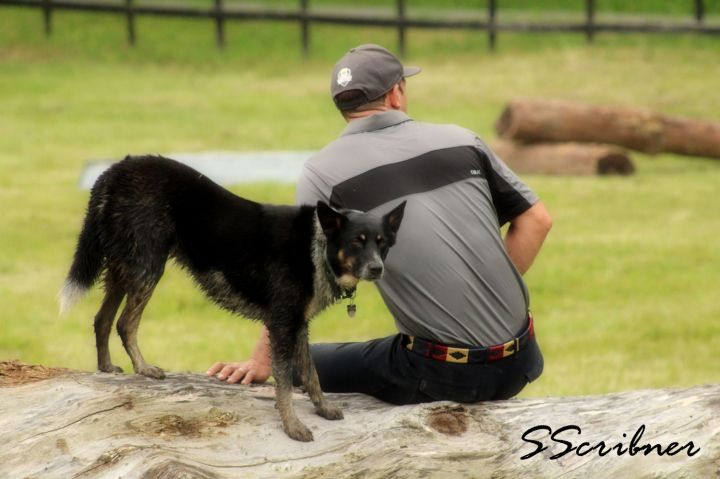
Horse people LOVE to bring their dogs everywhere. At least one person will ask “can I bring my dog?” and some might just show up with them. While some people are fine with dogs, others might not be. In your event listing include a line about our canine companions. “Dogs welcome”, “Well behaved dogs on leash welcome” or “No dogs allowed.” People will want to know so do them a favor and present the rule up front.
Follow Up
Once the clinic is done and wrapped up follow up with everyone afterward and thank them. If you want to go above and beyond, ask for feedback. I made an anonymous survey form to see what I could have done better. Either way reach out with a simple thank you for coming to your clinic as a nice way to close the door to the event.
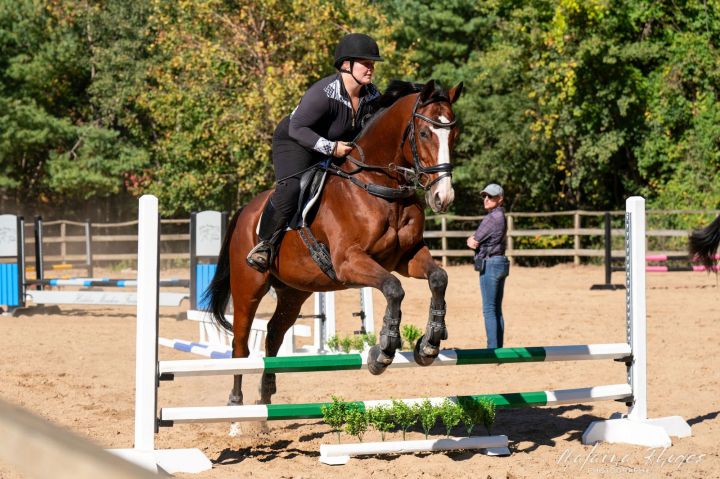
Andrea Waldo 2024 Photo courtesy of https://malainarhodesphotography.mypixieset.com/


 The Green Horseman
Leave a comment